
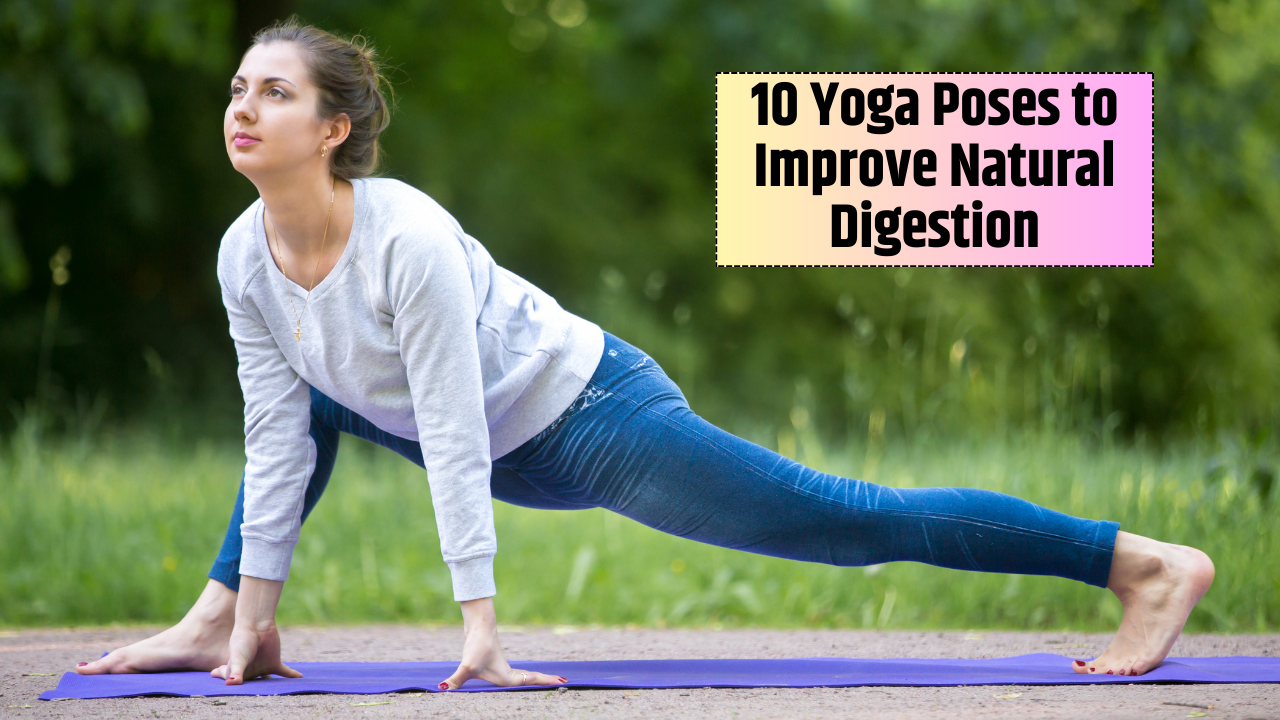

You know that heavy, overstuffed feeling after a meal the kind that makes you want to undo a button or two and question your life choices? Digestion issues creep in quietly like that. A little bloating here, a little sluggishness there, and suddenly your whole afternoon feels like it’s wading through mud. What most people don’t realize is that your digestive system isn’t just reacting to what you eat it’s reacting to how you move, how you breathe, and honestly, how stressed you are.
That’s where yoga steps in, quietly but effectively. Not the Instagram-acrobat kind, but simple, grounded movements that nudge your internal machinery back into rhythm. Let’s unpack ten of the most reliable poses that support digestion—naturally—and how to weave them into an everyday routine.
Why Yoga Helps Digestion
Here’s the thing: digestion doesn’t love chaos. It thrives under calm, predictable conditions. But modern life is basically the opposite of that—emails, deadlines, spicy takeout eaten in five minutes flat, and stress layered like a lasagna.
Yoga taps into your parasympathetic nervous system—the “rest and digest” mode. When that system switches on, blood flows toward your abdominal organs, your gut muscles relax, and your digestive tract gets the green light to do its job properly.
Some poses add physical stimulation too, massaging your intestines or stretching out a tight belly that’s been folded over a laptop all day.
10 Yoga Poses That Boost Digestion Naturally
1. Pawanmuktasana (Wind-Relieving Pose)
Let’s start with the obvious name: yes, it does exactly what you think. Hugging the knee into your chest compresses the abdomen enough to push gas along and relieve that stubborn bloat. One leg, then the other, then both. Slow breathing. It’s simple—almost deceptively so—but wildly effective.
2. Ardha Matsyendrasana (Seated Spinal Twist)
Twists are the digestive system’s version of hitting refresh. You sit tall, hook one leg over the other, twist gently, and breathe. That gentle squeeze-and-release effect wakes up your liver and intestines and helps your body clear waste more efficiently. Think of it as a manual massage for your insides.
3. Trikonasana (Triangle Pose)
Triangle is more active. You take a wide stance, reach long, and tilt over one leg. The stretch across the torso stimulates the abdominal cavity and strengthens your core at the same time. Morning is a great time for this one—it wakes you up and fires up your metabolism.
4. Bhujangasana (Cobra Pose)
Cobra is all about opening. When you lift your chest off the floor and feel that stretch along your abdomen, you’re improving blood flow to your stomach and intestines. It counters the hunching most of us do instinctively throughout the day.
5. Paschimottanasana (Seated Forward Bend)
This pose has a calming effect that directly helps digestion. Stress can shut down your appetite or slow your system to a crawl. Folding forward slowly, breathing deeply, letting your back and hamstrings release—it all signals your gut to relax and reset.
6. Marjaryasana-Bitilasana (Cat-Cow)
If there was an award for “most approachable yoga sequence,” Cat-Cow would win. Hands and knees, gentle arch, gentle round. Repeat. The rhythmic movement massages your belly from the inside and encourages peristalsis—the wave-like motion that pushes food through your system.
7. Apanasana (Knees-to-Chest Pose)
This is the softer cousin of Wind-Relieving Pose. Pull both knees in, breathe, and allow your lower belly to soften. It’s excellent before bed, especially if constipation or a heavy feeling is bothering you.
8. Uttanasana (Standing Forward Fold)
A simple forward fold increases blood flow to the digestive organs and helps release tension in the abdominal area. Keep your knees slightly bent so your back can truly relax. This is a great pick-me-up after you’ve spent too long sitting.
9. Setu Bandhasana (Bridge Pose)
Bridge Pose strengthens your core and lifts the abdominal organs upward, improving circulation. It also stimulates the throat area, indirectly supporting metabolic processes. If your system feels slow, this pose helps kick things back into gear.
10. Balasana (Child’s Pose)
The reset button. Child’s Pose calms the nervous system, softens abdominal pressure, and gives your body a moment to simply be. When your stomach feels unsettled, a minute or two here can genuinely change your afternoon.
A Simple 15-Minute Flow for Better Digestion
If you don’t have the time (or patience) for a full session, this routine works beautifully:
Cat-Cow – 2 minutes
Pawanmuktasana – 2 minutes
Seated Spinal Twist – 2 minutes each side
Cobra – 1 minute
Forward Fold – 2 minutes
Child’s Pose – 3 minutes
It’s efficient, approachable, and surprisingly effective on days when your stomach feels stubborn.
Small Habits That Make a Big Difference
Hydrate with warm water—your gut prefers it.
Chew slower than you think you need to.
Avoid collapsing onto the couch after eating.
Breathe deeply when you feel stressed; it directly affects your digestive rhythm.
Digestion is a full-body experience. When your mind eases up, your gut follows.
When to See a Doctor
Mild bloating or occasional sluggish digestion is normal. But persistent pain, blood in stool, ongoing constipation, sudden weight changes—those deserve professional attention. Yoga supports your digestive health, but it isn’t a substitute for medical care.
Yoga isn’t magic, but it does restore something we often lose: rhythm. A little movement, a little breath, and suddenly your digestive system isn’t fighting the current anymore. These poses aren’t complicated, and they don’t require a mat made of Himalayan yak wool. Just your body, your breath, and a few minutes of quiet.
When you treat your gut with a little patience, it usually thanks you back.
FAQs
How often should I do yoga for digestion?
Every day works best, even if you only have 10–15 minutes.
Can I do these poses right after eating?
Most poses require at least a one-hour gap. Gentle seated breathing is fine.
Which pose is best for bloating?
Pawanmuktasana and Cat-Cow are top choices.
Is yoga enough to solve chronic digestive problems?
It helps, but chronic symptoms should be evaluated by a doctor.
Can beginners do all these poses safely?
Yes—just go slowly and avoid pushing into pain.
