
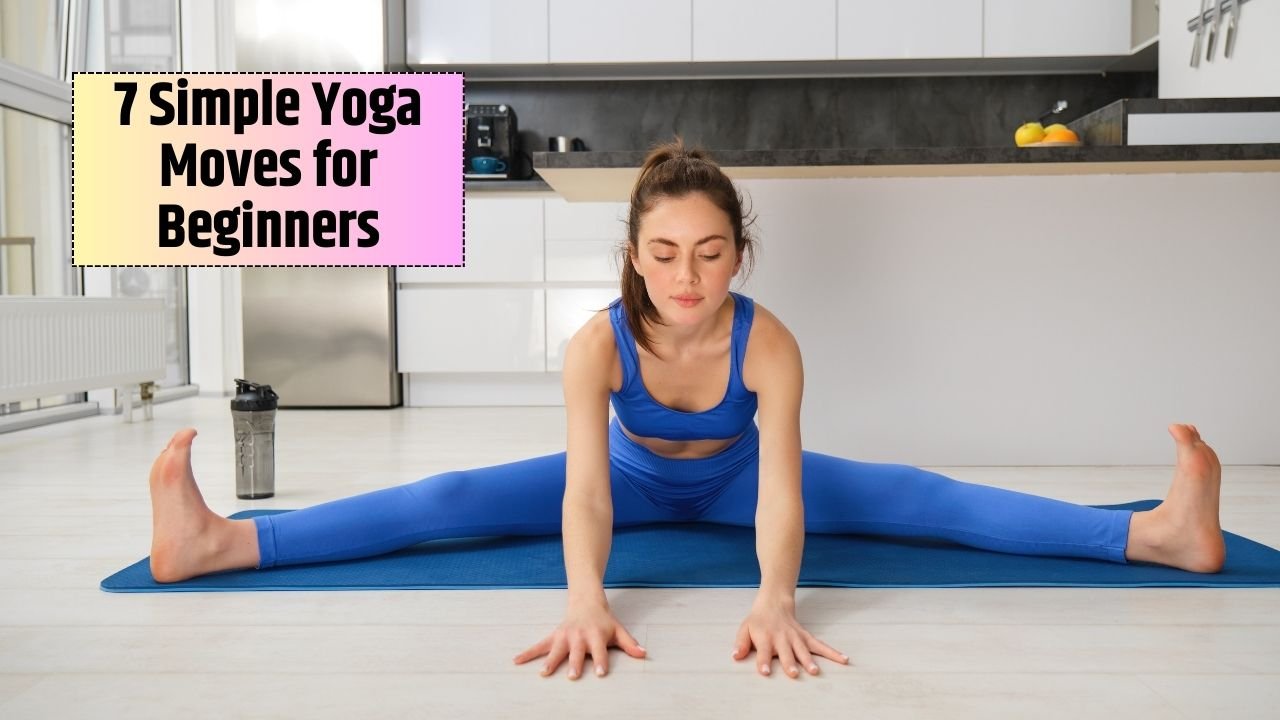

The first breath you take on a yoga mat can be oddly cinematic heartbeat in your ears, rubbery scent of the mat, and that half-nervous thought: Am I doing this right? Relax. Every hand-standing Instagram yogi once stood exactly where you’re standing now, wondering what to do with their toes. The secret is to start with poses so foundational they feel almost mundane—until you notice your spine lengthening, your breath slowing, and that stubborn shoulder knot letting go.
Mountain Pose (Tadasana)
Think of Tadasana as the calibration screen for your body. Feet together—or hip-width apart if balance feels iffy—press all four corners of each foot into the floor, lift your kneecaps, broaden the collarbones, and let the shoulders melt down your back. Breathe through the nose, steady and quiet. According to the Yoga Alliance, mastering this “just-standing” stance improves proprioception, setting you up for safer movement in every other posture.
Child’s Pose (Balasana)
Your built-in pit stop. Kneel, sink the hips toward the heels, and fold forward until your forehead rests on the mat (or a block—comfort over ego). Arms can stretch long or tuck alongside the shins. Balasana gently decompresses the spine and soothes the nervous system; the National Center for Complementary and Integrative Health lists restorative poses like this among evidence-backed stress-reducers.
Cat Pose (Marjaryasana)
Desk jockey’s best friend. From tabletop, exhale and round the back toward the ceiling, magnetizing navel to spine and tucking chin to chest. Feel each vertebra wake up. Harvard clinicians note that rhythmic spinal flexion matched to breath can tamp down sympathetic (fight-or-flight) activity—handy when deadlines pile up.
Cow Pose (Bitilasana)
Inhale and reverse the curve: belly drops, sit bones tilt skyward, heart glides forward between the arms. Pair three to five slow Cat-Cow cycles and you’ve got a mini lube-job for the spine, prepping it for weight-bearing poses.
Downward Facing Dog (Adho Mukha Svanasana)
From hands-and-knees, tuck toes and send the hips high, shaping an inverted V. Knees may stay bent; focus on lengthening the back and rooting the palms. Over time this icon strengthens shoulders, hamstrings, and wrists while increasing blood flow to the brain—a natural espresso shot without the jitters.
Warrior I (Virabhadrasana I)
Step the right foot forward, left heel spins down 45°, front knee stacks over ankle, arms spear overhead. Square the hips forward (they’ll try to cheat). Virabhadrasana I builds heat in quads and glutes while stretching hip flexors—crucial for anyone who sits more than they’d like (read: most of us). The CDC even recommends yoga’s lunge family for maintaining lower-body strength as we age.
Tree Pose (Vrikshasana)
Shift weight onto left foot, right sole parks inside calf or thigh (skip the knee joint). Hands can prayer at chest or branch overhead; lock eyes on something that doesn’t move. Wobbling? Cool, that’s your ankles learning. Over weeks, Tree hones proprioception and quiets monkey-mind chatter, a combo psychologists at the American Psychological Association link to lower anxiety.
Quick-Reference Pose Table
| Pose | Primary Benefit(s) | Ease-of-Entry ★☆☆☆☆–★★★★★ | Typical Hold Time |
|---|---|---|---|
| Mountain | Postural alignment, grounding | ★★★★★ | 30–60 sec |
| Child’s | Spinal release, relaxation | ★★★★★ | 30 sec–2 min |
| Cat | Spinal mobility | ★★★★☆ | 3–5 breaths |
| Cow | Chest & abdominal stretch | ★★★★☆ | 3–5 breaths |
| Downward Dog | Full-body strength & stretch | ★★★☆☆ | 30 sec |
| Warrior I | Leg power, hip flexor stretch | ★★★☆☆ | 20–30 sec per side |
| Tree | Balance, ankle stability | ★★☆☆☆ | 15–45 sec per side |
Rookie Tips That Save the Day
- Gear? A nonslip mat and stretchy clothes—done.
- Breath is your metronome. If you’re gasping, back off.
- Comparison is the thief of joy—and hamstring safety. Your range is perfect for today.
- Frequency beats ferocity. Ten mindful minutes three times a week outperforms a monthly marathon class.
- Light stomach, hydrated cells. Heavy lunch + forward folds = regret.
Medical history in tow? Run plans past a healthcare pro first; even low-impact modalities carry contraindications.
Yoga mastery isn’t measured in circus tricks; it’s the quiet victory of catching yourself slouching at the laptop and, almost automatically, stacking spine over hips like you learned in Mountain Pose. Start small, stay curious, and let practice evolve at the speed of breath. One day you’ll notice the pose that once felt impossible is simply part of your warm-up—and that’s a journey worth rolling the mat out for.
FAQs
How many poses should I practice per session?
Seven to ten foundational poses are plenty for a beginner; aim for quality over quantity.
Can yoga replace my cardio workouts?
Gentle flows won’t spike heart rate like running. Supplement with walking, cycling, or faster-paced vinyasa if cardiovascular fitness is a goal.
What if my wrists hurt in Downward Dog?
Try rolling the mat edge for extra cushion, spreading fingers wider, or dropping to forearms until strength builds.
How quickly will I see flexibility gains?
Most newbies report noticeable looseness within four to six weeks of consistent, mindful practice.
Is it normal to feel emotional during certain poses?
Absolutely. Stretching fascia and slowing breath can unearth stored tension—tears on the mat are part of the release.
