
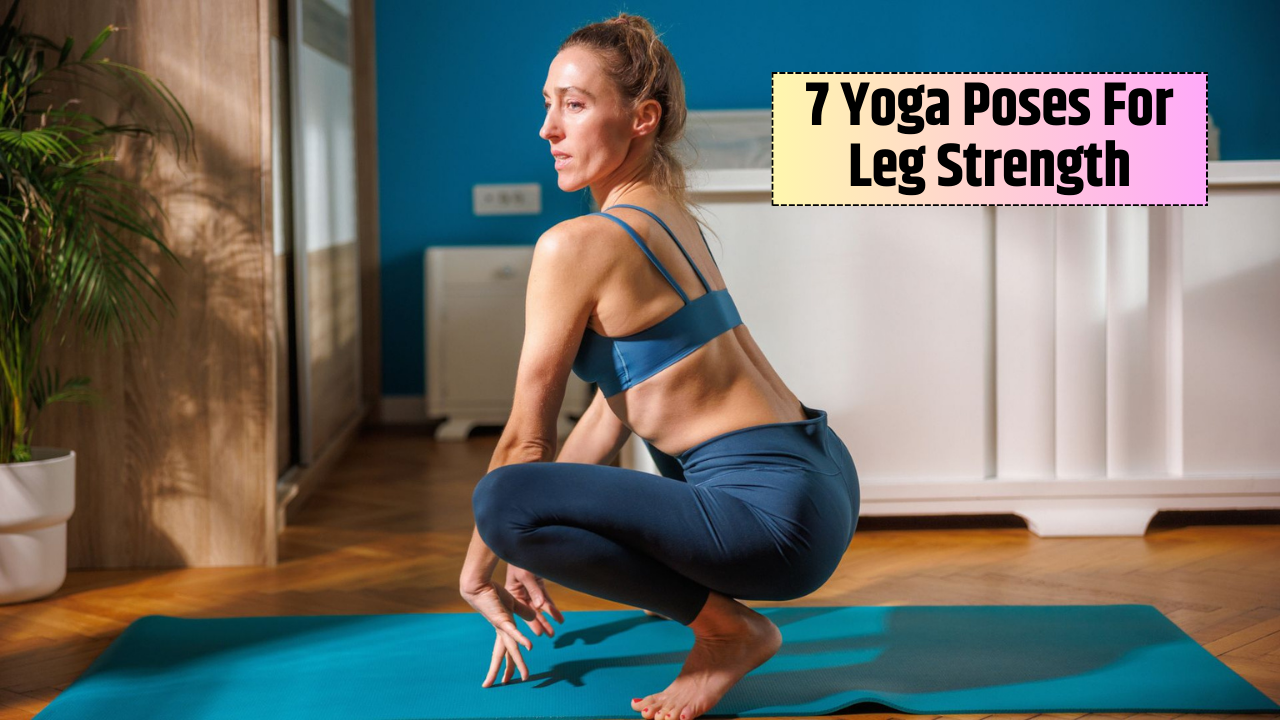

Your legs quietly do the heavy lifting of daily life. Walking to the store, climbing stairs, standing in a long line, even maintaining posture while sitting all of it relies on the strength and stability of your lower body. Yet leg strength often gets overlooked until something starts to feel off: sore knees, poor balance, or fatigue after simple movements. That’s where yoga steps in. Unlike intense gym workouts that can strain joints, yoga strengthens the legs gradually while improving balance, coordination, and flexibility at the same time.
Yoga’s magic lies in controlled movement. You’re not just building muscle—you’re teaching your body how to move better. Each pose activates stabilizing muscles in the hips, thighs, calves, and ankles. Over time, that translates into smoother movement, stronger joints, and noticeably better balance.
Why Yoga Is Effective for Leg Strength and Balance
Traditional strength training typically isolates muscles—think leg presses, squats, or calf raises. Yoga, on the other hand, builds functional strength. That means multiple muscle groups work together, just like they do during everyday activities.
When you hold a pose, your body constantly makes small adjustments to stay balanced. Those tiny adjustments activate stabilizing muscles that often remain underused in regular workouts.
A few consistent benefits people notice from lower-body yoga practice include:
- Improved balance and body awareness
- Stronger thighs, calves, and hips
- Better posture and spinal alignment
- Reduced strain on knees and ankles
- Increased flexibility and mobility
In other words, yoga trains your legs not just to be strong—but to be reliable.
Key Muscle Groups Targeted by These Yoga Poses
Different yoga poses activate different parts of the lower body. Understanding which muscles you’re working helps you perform poses more effectively.
| Muscle Group | Role in Movement | Yoga Benefit |
|---|---|---|
| Quadriceps | Straighten and stabilize knees | Improved endurance and knee support |
| Hamstrings | Bend knees and extend hips | Better flexibility and injury prevention |
| Glutes | Power and hip stability | Stronger posture and balance |
| Calves | Ankle stability and push-off strength | Improved walking and running efficiency |
| Hip Stabilizers | Balance and alignment | Reduced risk of falls and joint strain |
The seven poses below target these muscles in a balanced way.
1. Chair Pose
Chair Pose looks simple, but after holding it for a few seconds, the burn quickly sets in. You begin standing upright, then bend your knees as though sitting in an invisible chair.
Keep your chest lifted, spine long, and arms reaching forward or overhead. The key is keeping your weight balanced in your heels rather than your toes.
Benefits:
- Strengthens thighs, glutes, and calves
- Builds muscular endurance in the lower body
- Engages the core for stability
- Improves posture and spinal alignment
Many yoga instructors call this pose the “silent leg burner” because of how effectively it builds strength.
2. Warrior I
Warrior I is a powerful stance that combines strength with stability. From standing, step one foot back and bend your front knee while raising your arms overhead. Your hips stay facing forward.
The front leg works hard to stabilize the body while the back leg provides grounding.
Benefits:
- Builds strength in quadriceps and hips
- Improves posture and body alignment
- Opens hip flexors and strengthens glutes
- Enhances focus and balance
Holding the pose for several breaths helps train both muscle endurance and mental concentration.
3. Warrior II
Warrior II shifts the challenge slightly by widening the stance and extending the arms parallel to the floor. Your gaze stays focused over your front hand.
This pose strengthens both legs while activating inner thigh muscles that are often neglected.
Benefits:
- Strengthens thighs and calves
- Activates inner thigh muscles
- Improves stamina and lower-body stability
- Encourages better body awareness
Many practitioners find that Warrior II also builds confidence—it literally feels like standing your ground.
4. Tree Pose
Tree Pose introduces a balance challenge. You stand on one leg while placing the sole of the opposite foot against your inner calf or thigh.
Hands can rest at your chest or extend overhead.
At first, it may feel shaky—and that’s perfectly normal. The tiny balance corrections happening in your ankles and hips are exactly what build strength.
Benefits:
- Improves balance and coordination
- Strengthens ankles and calves
- Activates hip stabilizing muscles
- Enhances focus and mental clarity
Even experienced yogis wobble in Tree Pose sometimes. That instability is part of the training.
5. Crescent Lunge
Crescent Lunge adds dynamic strength to the mix. From standing, step one foot back into a lunge and lift your torso upright while raising your arms.
Unlike Warrior poses, the back heel stays lifted, which forces the legs to work harder for balance.
Benefits:
- Strengthens glutes and hamstrings
- Improves dynamic balance
- Activates hip stabilizers
- Builds endurance in the legs
This pose also stretches the hip flexors, which tend to tighten from prolonged sitting.
6. Goddess Pose
Goddess Pose is a powerful squat-like posture performed with a wide stance and toes turned outward. As you bend your knees and lower down, your thighs begin to work intensely.
It’s particularly effective for targeting the inner thighs.
Benefits:
- Strengthens inner thighs and hips
- Improves lower-body endurance
- Enhances hip mobility
- Promotes better knee alignment
Holding this pose for longer durations can significantly build leg stamina.
7. Bridge Pose
Bridge Pose shifts the focus slightly to the posterior chain—the muscles along the back of the body.
Lying on your back with knees bent and feet planted on the floor, you lift your hips upward while pressing through your feet.
Benefits:
- Strengthens hamstrings and glutes
- Supports knee stability
- Improves pelvic alignment
- Strengthens the lower back
Bridge Pose also counteracts the effects of long hours spent sitting.
Suggested Weekly Practice Routine
If you’re just starting out, practicing these poses a few times per week can already produce noticeable improvements.
| Day | Routine |
|---|---|
| Monday | Chair Pose, Warrior I, Bridge Pose |
| Wednesday | Warrior II, Tree Pose |
| Friday | Crescent Lunge, Goddess Pose |
| Weekend | Full sequence of all seven poses |
Holding each pose for 20–40 seconds is a good starting point.
Consistency matters more than intensity.
The Real Secret: Slow, Controlled Movement
One of the biggest misconceptions about yoga is that it’s easy. In reality, slow movements require significant muscle control.
When you hold a pose:
- Stabilizing muscles activate
- Balance improves
- Joint alignment becomes stronger
- Muscle endurance increases
Over time, these changes make everyday movements—walking, bending, climbing stairs—feel easier and more stable.
And perhaps the most surprising benefit? Many people notice reduced joint pain once their leg muscles grow stronger and better balanced.
Final Thoughts
Strong legs aren’t just for athletes or gym enthusiasts—they’re essential for long-term mobility and independence. Yoga offers a sustainable, low-impact way to build that strength while protecting your joints.
These seven poses may look simple at first glance, but practiced consistently, they can dramatically improve balance, stability, and lower-body power. Whether you’re new to yoga or simply looking for a gentler way to strengthen your legs, adding these poses to your weekly routine can make everyday movement feel smoother, steadier, and far more confident.
FAQs
How often should I practice these yoga poses for stronger legs?
Practicing three to four times per week is usually enough to see improvements in strength and balance.
Can beginners perform these yoga poses?
Yes. All seven poses can be modified for beginners, and balance improves naturally with practice.
How long should each pose be held?
Holding each pose for 20–40 seconds is ideal when starting. As strength improves, you can extend the duration.
Will yoga help reduce knee pain?
Strengthening the muscles around the knees—especially the quadriceps and hamstrings—can help improve knee stability.
