

Most folks don’t pay attention to their spine until it stages a full-blown mutiny. That little jab under your shoulder blade after another marathon laptop session, the creaky stiffness when you lean down to tie your shoes call it what you want, but your back is sending invoices for years of bad posture and ignored breaks. And here’s the twist: the fix doesn’t cost a dime. No boutique yoga studios, no reformer machines, no subscription apps buzzing reminders you’ll ignore anyway. Just a handful of classic yoga poses simple, quiet, and surprisingly effective at keeping your spine functional in a world designed to crush it.
What’s fascinating from a wellness-economics lens is how something as low-tech as yoga continues to dominate the U.S. back-pain landscape. According to the NIH’s National Center for Complementary and Integrative Health spinal pain remains one of the costliest musculoskeletal burdens. Yet here we are six poses that cost nothing, take minutes, and could save Americans billions in healthcare and lost productivity.
Below is your reporter’s notebook on the six poses worth folding into your daily routine—whether you’re a desk worker, a commuter warrior, or just someone who doesn’t want their spine filing complaints at age 40.
Cat-Cow Pose
If your workday feels like you’re chained to a spreadsheet, Cat-Cow is the spinal equivalent of a deep exhale. It’s a tiny, deceptively gentle movement—an inhale-arch, exhale-round flow—that wakes up each vertebra like someone flicking the lights on across your entire back.
Start on all fours, hands under shoulders, knees under hips. Inhale as you arch upward into Cow, lifting your tailbone and chest. Exhale, round into Cat, tucking chin and belly. Give it ten to twelve slow cycles.
What makes this pose a small economic marvel is flow: movement encourages blood circulation along the spine, reducing stiffness and enhancing mobility. For the millions clocking hours in front of screens—the CDC estimates sedentary time has doubled in the past decade—Cat-Cow is practically maintenance work for your spinal “infrastructure.”
Seated Forward Fold
Paschimottanasana isn’t a flexibility contest; it’s a surrender. Sit with legs extended, inhale to lengthen the spine, hinge forward from the hips, and let the body fold wherever it naturally falls. Relax the neck. No reaching for textbook toe-touch glory.
This fold decompresses the lower back and releases hamstring tension—two culprits behind that classic “my back hurts but I don’t know why” complaint. For a nation where lower-back issues are one of the main drivers of medical spending, as per NIH back-pain data, this gentle stretch quietly chips away at long-term wear and tear.
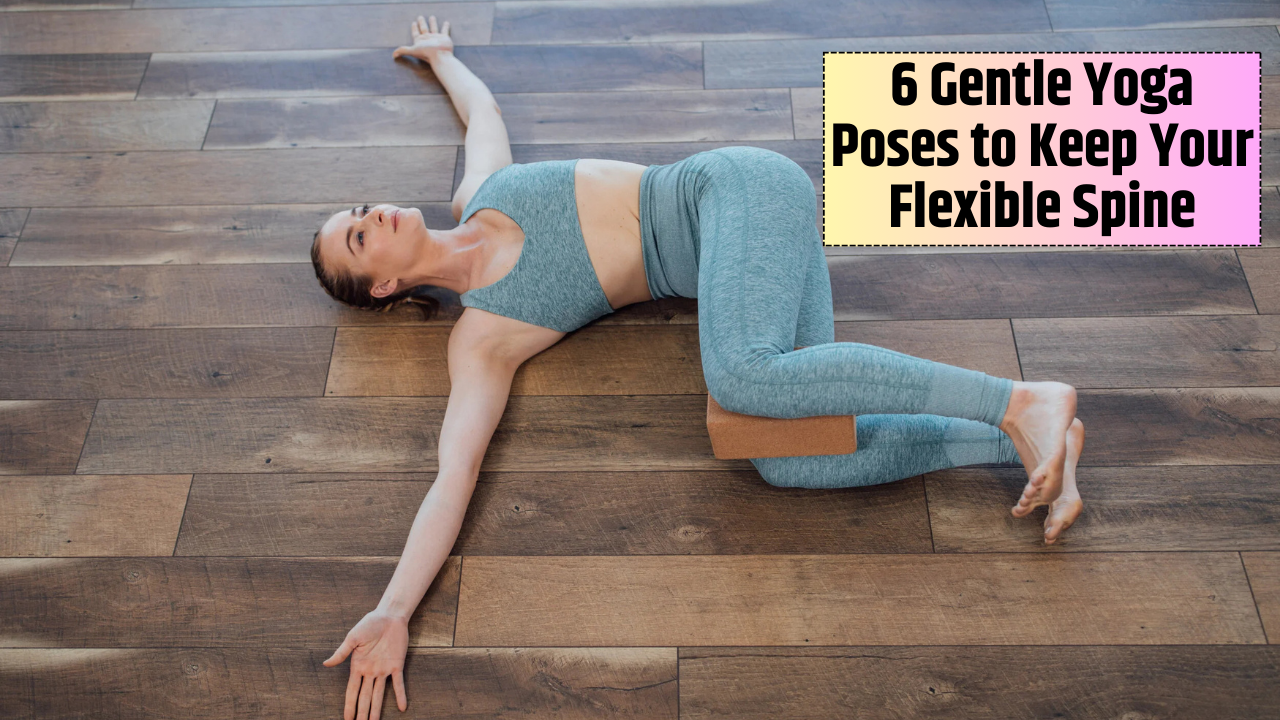
Seated Spinal Twist
Every twist feels like wringing out a towel—except the towel is your spine after a long week of deadlines. Sit tall, either with legs extended or cross-legged. Place your right hand behind you, left hand on your right knee. Inhale to grow taller; exhale to rotate. Five breaths, switch sides.
These rotational movements help hydrate spinal discs and flush tension along the mid-back. People underestimate the economic upside of mobility—stiffer backs mean more chiropractor appointments, more lost workdays, more OTC pain meds. A twist a day won’t fix your insurance premiums, but it may keep your spine from sending you to urgent care.
Bridge Pose
Bridge Pose is your structural reinvestment moment. It targets the glutes, hamstrings, and lower-back muscles—the trio that keeps your spine upright even when your posture insists on sabotaging you.
Lie on your back, knees bent, feet hip-width apart. Inhale, press into the feet, and lift your hips just enough to feel the chest open. Hold for five to seven breaths.
Poor posture isn’t just a personal nuisance; it’s a workforce issue. A recent surge in remote work has created millions of makeshift home offices—kitchen stools doubling as ergonomic chairs—and Bridge Pose helps counteract that slump-and-sink spinal exhaustion.
Child’s Pose
Child’s Pose is where you retreat when everything feels too loud—emails, stress, deadlines, your own thoughts. Sit on your heels, fold forward, and let the spine lengthen naturally as your breath softens.
It’s the kind of position that tells your nervous system, “Relax, yaar,” in pure Hinglish comfort. A minute or two here and your lower back will thank you. The quiet elongation counters compression, making it an easy go-to after a long commute or a Zoom marathon.
Cobra Pose
Cobra Pose doesn’t ask for dramatic backbends. The lift is small—gentle enough to coax, strong enough to build. Lie face down, palms under shoulders. With an inhale, lift the chest using back strength more than arm force.
Done consistently, Cobra helps retrain posture, especially for anyone living in the rounded-shoulder, forward-head era of smartphones and Slack pings. It strengthens spinal extensors—those underappreciated muscles that keep us standing upright instead of collapsing forward like a question mark.
How Yoga Quietly Reshapes Spinal Health Over Time
Yoga’s magic is balance. These poses don’t just stretch—they strengthen, mobilize, decompress, and teach awareness. Over time, your posture naturally improves, stiffness fades, and movements become easier. This is where the wellness economy meets reality: building core stability and spinal mobility reduces everything from workplace injuries to healthcare dependency.
The real secret? Consistency. Five mindful minutes every day outperform the occasional one-hour burst. Your spine doesn’t need drama—just daily attention.
Poses and Their Benefits
| Yoga Pose | Primary Benefits | Good For |
|---|---|---|
| Cat-Cow | Improves spinal mobility, boosts circulation | Desk workers, morning stiffness |
| Seated Forward Fold | Decompresses lower back, relaxes nervous system | End-of-day fatigue |
| Spinal Twist | Hydrates discs, releases tension | Mid-back tightness |
| Bridge Pose | Strengthens glutes & core | Posture correction |
| Child’s Pose | Relaxation, gentle spine lengthening | Stress relief, back tightness |
| Cobra Pose | Strengthens spinal extensors | Slouching, computer posture |
Safety Notes for Keeping Your Spine Happy
Move slowly. Respect limits. If a stretch hurts, back off. Support your body with cushions, folded blankets, or yoga blocks. And practice somewhere quiet so your mind stays focused on the movement instead of household chaos.
A healthy spine isn’t built on dramatic poses. It’s daily care, gentle precision, and paying attention when your body whispers before it screams. Even a couple of minutes—done mindfully—can shift the way your back feels tomorrow.
FAQs
Can beginners do these yoga poses safely?
Yes, all six poses are beginner-friendly when practiced with slow, steady breathing.
How often should I practice yoga for spinal health?
About 10–15 minutes daily is enough to reduce stiffness and improve mobility.
What’s the best time of day for spine-focused yoga?
Mornings loosen up the body; evenings help unwind accumulated tension.
Can yoga help with chronic back pain?
Yes, but persistent pain should be evaluated by a doctor or physical therapist first.
Do I need props like blocks or straps?
No, though cushions or blankets can increase comfort for beginners.
