
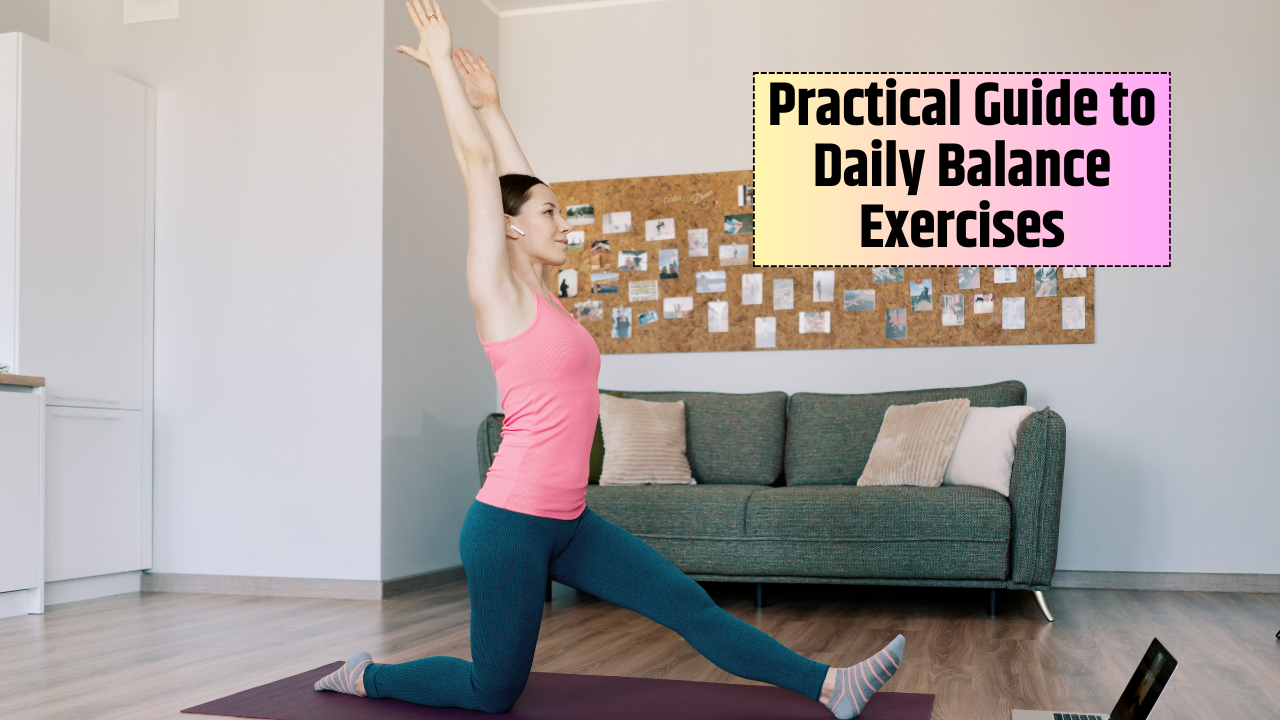

Staying upright sounds like the kind of thing we shouldn’t have to think about… until one day we absolutely do. Walk into any senior community center in the U.S., and you’ll hear the same refrain from folks who’ve slipped once or twice: “It happened so fast.” Balance fades quietly, almost politely, until suddenly it isn’t so polite anymore. The good news? You can train it—far more effectively than most people assume. And for older adults in the United States, simple home-based balance drills can make the difference between moving confidently and living cautiously.
Why Balance Work Matters More Than Ever
Aging changes everything from muscle elasticity to ankle reflexes, and those tiny adjustments add up. According to data often referenced by the Centers for Disease Control and Prevention (CDC), older Americans face millions of fall-related injuries each year—numbers that tend to jolt even the most laid-back readers. These injuries aren’t just about bruises; they can lead to long recoveries, financial strain, or a hit to personal independence.
But here’s the encouraging twist: balance responds quickly to training. Even five minutes a day of targeted drills can reactivate stabilizing muscles and rewire neuromuscular pathways. It’s almost like your body remembers what it used to do and just needs a friendly nudge.
How Balance Exercises Reinforce Stability
You don’t need fancy gym equipment or a physio appointment to get started. A simple “stand-on-one-leg” drill while brushing your teeth already pushes your body to recalibrate. If it feels wobbly, that’s the point—your muscles are learning, your brain is firing, and your joints are rediscovering teamwork.
Seniors who keep a steady routine often report an improvement in everyday tasks: stepping over curbs, turning quickly, even reaching for something slightly out of range. Your base of support becomes stronger and more predictable, which is exactly what reduces fall risk.
Many clinicians point seniors toward resources from Medicare.gov, especially sections related to preventive care, because balance training is considered foundational for maintaining mobility and independence. It’s a reminder that this isn’t vanity fitness—it’s long-term health maintenance.
Strengthening Core Muscles Through Balance Workouts
Core work tends to get lumped into the “abs-only” category, but for seniors, it’s more like the body’s central stabilizing unit. A stable core protects the lower back, improves posture, and helps control how the rest of the body moves.
Seated leg lifts, for instance, look deceptively gentle but activate deep abdominal muscles. A modified plank—even one done against a wall—strengthens the kind of supportive tissues that keep the spine upright and comfortable. And because back pain remains one of the most common complaints among older adults, these exercises often bring relief faster than expected.
The U.S. National Institute on Aging frequently emphasizes core strengthening as a key fall-prevention strategy, noting that improved posture can reduce the risk of forward-tilting or instability.
Mobility, Flexibility, and the Freedom to Move Smoothly
Flexibility isn’t about touching your toes like a gymnast; it’s about making daily life easier. Anything from tying shoes to stepping into a bathtub requires a cocktail of joint mobility, muscle elasticity, and controlled movement.
That’s where dynamic stretches and gentle mobility drills step in. Toe touches increase hamstring flexibility, but they also teach your hips to hinge safely. Leg stretches open up tight hip flexors—muscles that stiffen with prolonged sitting—and help restore a smoother walking pattern. Give these just a couple of weeks, and you’ll feel an unmistakable looseness that makes movement feel less forced and more natural.
The U.S. Department of Health & Human Services notes that flexibility training is often underestimated but critically important for older adults because stiff joints are directly linked to balance challenges.
Summary & Final Thoughts
For seniors in the United States, weaving balance exercises into day-to-day routines is one of the simplest, cheapest, and most effective tools for staying active. These drills build stability, enhance core strength, and unlock flexibility that makes everyday tasks feel safer and easier. Start slow, stay consistent, and treat every wobble as a sign that the work is actually working. Your body adapts—sometimes impressively quickly—when you give it the chance.
- Exercise | Target Area | Benefits
- Standing on One Leg | Core, Legs | Improves balance, stability
- Seated Leg Lifts | Core, Thighs | Strengthens core, improves posture
- Toe Touches | Lower Body, Flexibility | Increases flexibility, range of motion
- Plank Variations | Core, Back | Strengthens core, reduces back pain
- Leg Stretches | Legs, Hips | Enhances joint mobility
FAQs
How often should seniors practice balance exercises?
Most experts suggest 2–3 sessions per week, though brief daily practice accelerates progress.
Can balance exercises really prevent falls?
Yes. They strengthen stabilizing muscles and improve reaction time, reducing fall likelihood.
Are there exercises older adults should avoid?
Anything high-impact or involving sudden twisting should be avoided without medical clearance.
Typically within 2–4 weeks, depending on consistency and fitness levels.
Do seniors need equipment for balance training?
Do seniors need equipment for balance training?
Not usually most drills rely on body weight and can be done at home.
